
Vaccinations for Immunity
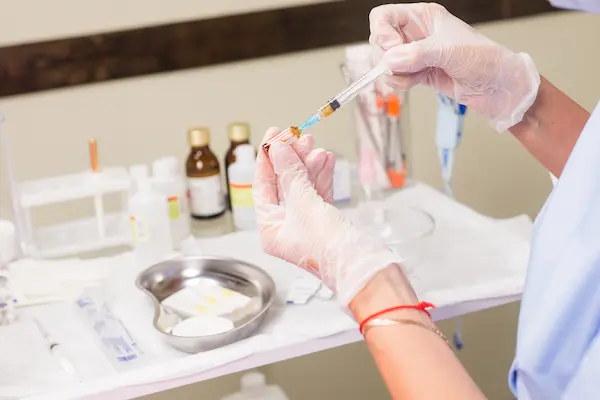
Vaccinations help build immunity by priming the immune system to fight pathogens, like viruses or bacteria. A vaccine will enable an immune response to keep the body healthy.
What Are Vaccinations?
Vaccinations play an important role in the health of your child, family, and public health. They prevent the spreading of contagious diseases such as:
- Polio
- Mumps
- Measles
- Influenza
- Hepatitis
- Whooping cough
- Chickenpox
- Diphtheria
- HPV
- Tetanus
- COVID-19
What Is the Importance of Vaccinations?
A vaccine, like the flu shot, is an immunization. It builds up your body’s natural immunity to a disease with antibodies. When your immunity is built up, it keeps you from contracting and spreading the disease.
Vaccines are used to help build your immune system for protection. Most of them are given to children. In some cases, vaccines are combined so children can be given fewer shots. Antibodies can stay in your body for life, protecting you from sickness and disease. With antibodies, your body builds up a defense system called your immune system.It’s very important to follow the Center for Disease Control’s Recommended Schedule for your child.
Vaccines provide protection from a wide range of contagious diseases. A cold virus for example is usually a mild irritation. However, smallpox and polio caused life changing problems and death. History has taught us that taking preventative steps is extremely effective. Vaccines protect you, protect children and protect public health.
Who Needs Vaccinations?
Vaccines are recommended for infants, children, teenagers, and adults. They are especially important for at risk populations like young children and older adults.
The best way to identify what vaccines you may need is to visit your CCRH provider. Our providers will review your medical history, including your immunization history and any risk factors associated with recommended vaccines. Some people shouldn’t get vaccines, such as infants under two months of age or a person with a particular medical issue. This is just one of the reasons CCRH providers want to know your whole health history. That way, we can discuss all medical interactions, including vaccines.
In addition, there are people who simply don’t respond to them. That’s why it’s very important for the family, friends and children around them to all get vaccinated. When the majority of a population is immune, diseases have trouble spreading.
Immunization Schedule for Children
Immunizing your child against preventable diseases is essential in protecting their health, as well as the health of other children. Children are required to have updated immunizations when attending school or daycare.
For babies, it is recommended your child receives all immunization by 18 months of age.
Recommended Immunization Schedule for Babies:
- Hepatitis B
- Quantity: 3 Doses
- When: Birth, 1-2 Months, 6-18 Months
- Rotavirus (must be younger than 8 months old)
- Quantity: 3 Doses
- When: 2 Months, 4 Months, 6 Months
- Diphtheria, Tetanus, Pertussis (DTaP)
- Quantity: 5 Doses
- When: 2 Months, 4 Months, 6 Months, 15-18 Months
- Haemophilus Influenzae Type B (Hib)
- Quantity: 3-4 Doses
- When: 2 Months, 4 Months, 12-15 Months
- Pneumococcal Conjugate (PCV)
- Quantity: 4 Doses
- When: 2 Months, 4 Months, 6 Months, 12-15 Month.
- Inactivated Poliovirus (IPV)
- Quantity: 4 Doses
- When: 2 Months, 4 Months, 6-18 Months, 4-6 Years
- Seasonal Influenza
- Quantity: 1 or 2 Doses Annually
- Measles, Mumps, Rubella (MMR)
- Quantity: 2 Doses
- When: 12-15 Months, 4-6 Years
- Varicella (Chickenpox)
- Quantity: 2 Doses
- When: 12-15 Months, 4-6 Years
- Hepatitis A
- Quantity: 2 Doses
- When: 1 Year, 4-6 Years
- Respiratory Syncytial Virus
- Quantity: 2 Doses
- When: Birth-6 Months, 6-18 Months
Recommended Immunization Schedule for Adolescents:
Influenza
- Quantity: 1 Dose Annually
Diphtheria, Tetanus, Pertussis (TDaP)
- Quantity: 1 Dose
- When: Ages 11-12 (Required in South Dakota for 6th grade entry)
Human Papillomavirus (HPV)
- Quantity: 2 Doses
- When: Ages 11-12
- Or 3 doses to be given if first vaccine is given at age 15 or older
Meningococcal
- When: Age 11 (Required in South Dakota for 6th grade entry)
- Boosters at Age 16
Keep Their Health on Track with Scheduled Immunizations
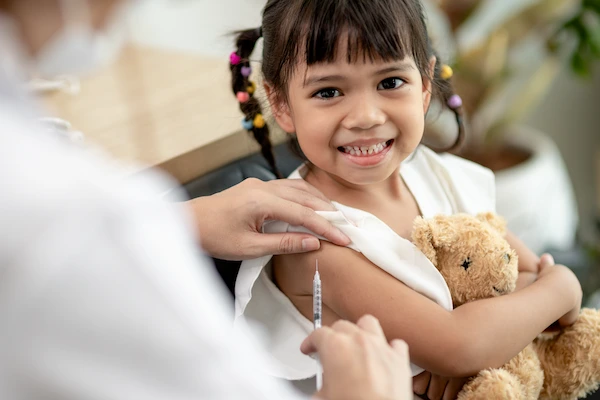
At Citrus County Rural Health, vaccinations for babies will occur more frequently due to the need for building up their immunities. These exams also include growth measurements and discussions of your child’s behavior, development, nutrition, and sleeping habits.
- Schedule a well-child exam at 15 and 18 months of age.
- Schedule well-child annual exams from ages 2-6.
- Schedule more frequent exams for children with special needs and chronic health conditions.
For adolescents (ages 10-19), their immunizations will occur during annual wellness exams.
Contact Us for Your Immunizations
As your primary care provider, CCRH always encourages you to ask any questions you may have.
Throughout the years, there have been myths spread about vaccinations. Here are a few answers to frequently asked questions and common misconceptions regarding vaccines.