
Diabetes
Our bodies naturally take in sugar from food and burn it for energy. However, an estimated 1 in 10 Americans have trouble with the process, which can result in a higher than normal glucose level—causing a form of diabetes.s
While Type 1, Type 2 and gestational diabetes have similar symptoms, there is a lot of variation when it comes to causes, risk factors, severity, and treatment options.
Prevention and proper treatment for diabetes starts with getting proper education on the topic and by scheduling a screening with your Citrus County Rural Health provider.
Type 1 Diabetes Causes, Symptoms & Treatments
Type 1 diabetes is a chronic condition that occurs when your pancreas does not make enough insulin, or none at all. While it usually appears at a younger age, it can develop at any time in a person’s life.
Genetics can increase the chances of someone developing Type 1 diabetes, and, unlike Type 2 diabetes, there is no way to prevent Type 1 diabetes.
The symptoms of Type 1 diabetes are the same as Type 2 diabetes, although the onset can be more rapid and severe, causing a medical emergency.
Common symptoms of Type 1 diabetes include:
- Feeling very tired or lethargic
- Excessive thirst
- Sores that are slow to heal
- Dry, itchy skin
- Extreme hunger
- Frequent urination
- Yeast infections
- Tingling or numbness in hands and feet
If you are experiencing any of these symptoms, schedule a visit with your local primary care provider to get tested for diabetes.
Although no cure for Type 1 diabetes exists, there are a lot of effective treatments for managing your glucose levels, giving you the ability to live a normal, active, and fulfilling lifestyle.
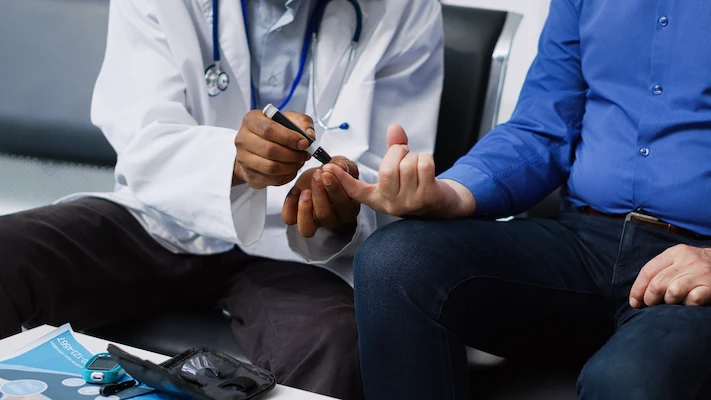
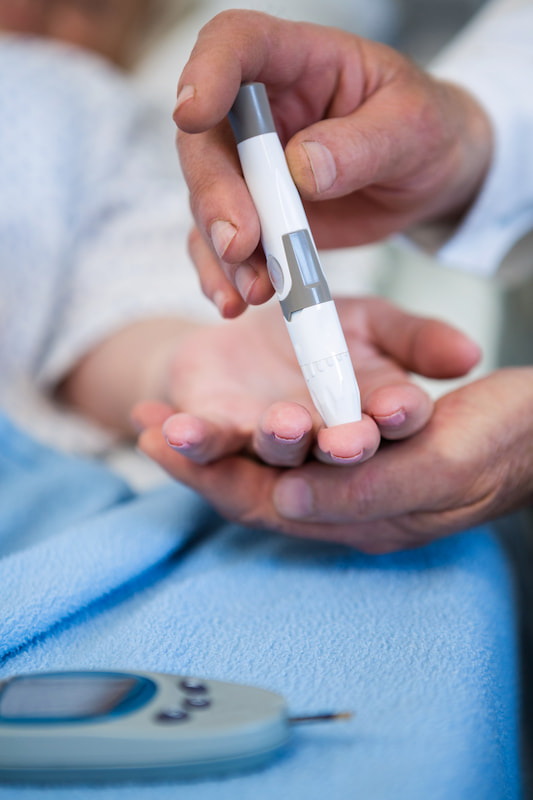
The main method of treating diabetes is through insulin management and blood sugar monitoring. This can be through injections, pumps, pens and other devices.
Lifestyle changes can also be effective at limiting the effects of Type 1 diabetes. Make sure to follow your provider’s recommendations for managing your condition, and find more information about home care below.
Type 2 Diabetes Causes, Symptoms & Treatments
Like Type 1 diabetes, Type 2 diabetes is a chronic disease that occurs when your body has higher than normal glucose levels (hyperglycemia). However, it is different in how it develops and in its preventability.
Type 2 diabetes is caused by your body not responding to insulin, where it instead grows resistant to it. While there are genetic factors that can increase your chances for developing Type 2 diabetes, your health history and current health conditions are better key indicators of your risk.
Type 2 diabetes typically develops later in life and is preventable through a healthy lifestyle consisting of:
- Healthy nutrition
- An active lifestyle
- Wellness exams and screenings with your provider
People who have Type 2 diabetes typically had prediabetes beforehand. Prediabetes is a reversible condition where the glucose levels are determined to be high, but not in the typical range of diabetics. Symptoms for both prediabetes and Type 2 diabetes are similar to Type 1 diabetes, which can include:
- Feeling very tired or lethargic
- Excessive thirst
- Sores that are slow to heal
- Dry, itchy skin
- Extreme hunger
- Frequent urination
- Yeast infections
- Tingling or numbness in hands and feet
If you want to learn more about preventing and treating diabetes, contact your local primary care provider to schedule an appointment.
Home Care for Diabetes
Treatment for diabetes is the most effective when it is combined with a healthy, well-balanced lifestyle. Below are some home habits we recommend to help manage your diabetes:
- Check your blood sugar (glucose) once a day, or as instructed by your provider
- Take all medications as prescribed by your provider
- Avoid smoking or tobacco products
- Eat healthy foods
- Try losing weight (when recommended)
- Be aware of low blood sugar (hypoglycemia) and know how to treat it
- Get your eyes checked on a regular basis
- Get a wellness exam every year
- Get your blood and urine tested
- Get your blood pressure checked regularly
- Wear a necklace or bracelet that says you have diabetes
- Check your feet every night for cuts, sores, blisters, and redness
- Tell your provider if you have problems or worsening symptoms
Get Help Right Away If:
- You have trouble keeping your blood sugar in the target range
- You have problems with your medications
- You are sick and not getting better after 24 hours
- You have a sore or wound that is not healing
- You have vision problems or changes
- You have a fever